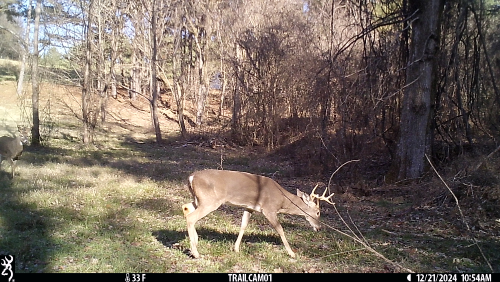
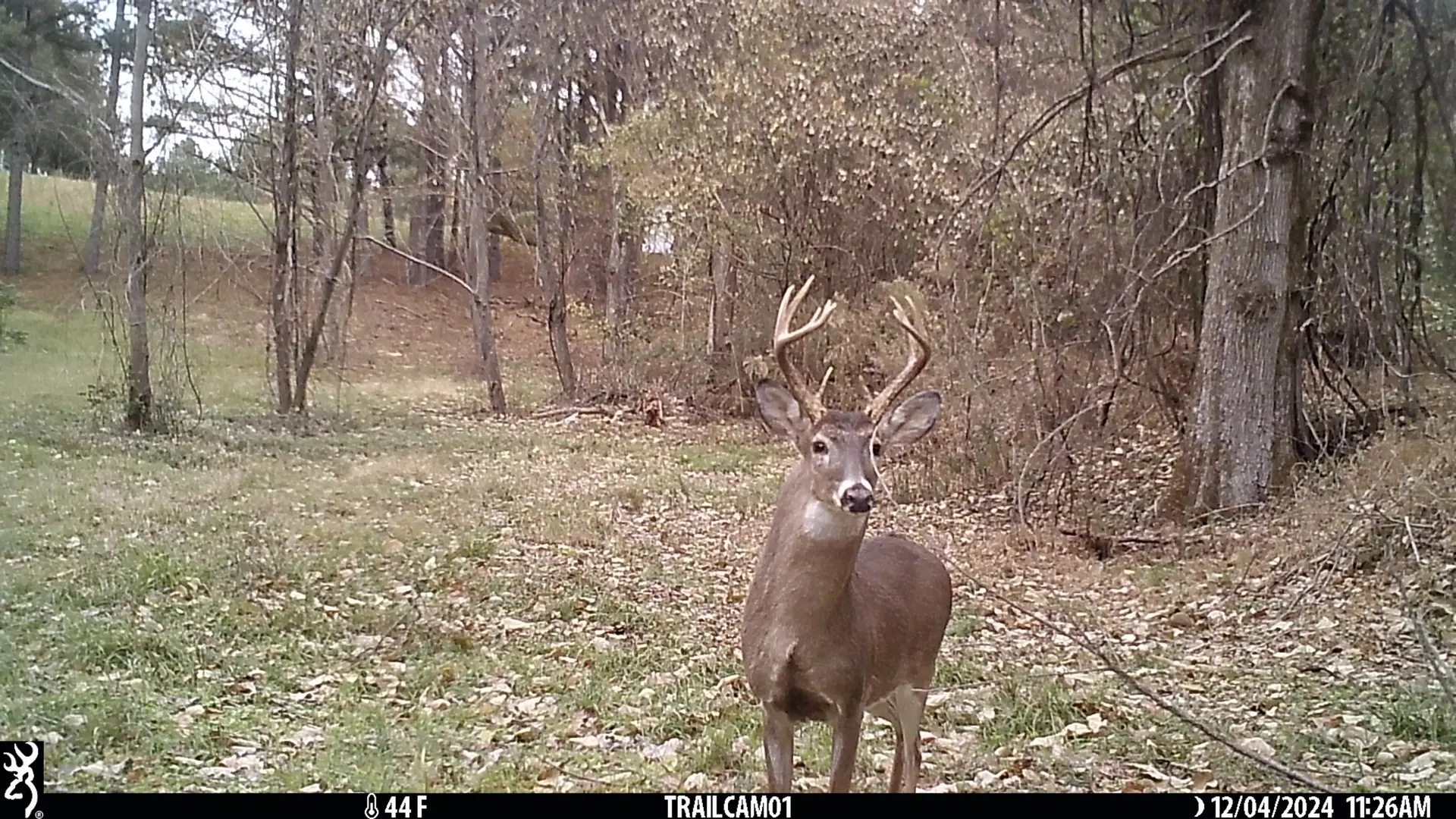
As we move deeper into deer season, it feels like the perfect time to talk about how deer interact with our landscapes. While hunters are focused on waiting hours for the right deer to cross their path in the woods, homeowners and gardeners know how easily deer wander into their yards and gardens. Their browsing habits can shape which plants thrive and which struggle. Understanding why deer are drawn to certain plants, and why they avoid others, can help you make smarter choices in protecting and planning your landscape.
Deer Feeding Habits
Deer aren’t random grazers—they’re selective browsers. They look for plants they consider tender, nutrient-rich, and easily digested. What makes a plant “nutrientrich” is its high protein, moisture, and sugar content, along with low fiber that makes it easier to chew and digest. This is why new growth, flower buds, and freshly fertilized (and/or well-watered) plantings are so appealing: the plant tissues are packed with nutrition deer need.
Their choices also shift with the season and their physiology. In spring, deer focus on lush new growth, emerging leaves and even wildflowers, to provide the protein needed for lactation and antler growth. By fall, their appetites turn to energy-rich foods like acorns, nuts, and fruits that help build fat reserves for winter. This seasonal shift makes landscape ornamentals, vegetable gardens, and young seedlings especially vulnerable at different times of the year, particularly when natural forage is limited. Prior experience and habit also play a role, as deer revisit areas and plant species they’ve already browsed, especially those with growth that’s easy to reach.
Why Deer Avoid Some Plants
On the flip side, not every plant in your yard looks like dinner to a deer. Many species have built-in defenses that make them less appetizing. Plants with tough, spiny, or fuzzy leaves are harder to chew. Others carry strong scents or bitter compounds that deer instinctively avoid. That’s why herbs like lavender, rosemary, and sage usually get left alone.
Daffodils, in particular, are avoided because they contain toxins that make them not only unpalatable but potentially harmful. Ornamental grasses are also normally avoided since their coarse texture doesn’t go down easily. Still, no plant is completely “deer proof.” When populations are high or food is scarce, deer may nibble almost anything.
Deer-Resistant Plants
In general, deer steer clear of plants that are strongly scented, fuzzy, prickly, or toxic. Herbs such as lavender, rosemary, thyme, and sage are some of the best known, and bulbs like daffodils and alliums rarely get touched. Other options include ornamental grasses, ferns, lantana and boxwood, which provide structure without attracting browsing.
Shrubs such as barberry, St. John’s wort, yaupon holly, spirea, juniper, abelia, distylium, and mahonia tend to hold up well. Flowering perennials like Lenten rose, verbena, bee balm, and coneflowers add color without inviting heavy grazing. Monrovia also points to evergreens like spruce and cypress, which not only resist deer but bring year-round appeal. While no plant is completely safe, mixing in a range of these deer-resistant choices can go a long way toward keeping your landscape intact. Click here to few Monrovia's full deer resistant plant list.
Signs of Deer Damage
Ever notice how pansies disappear overnight? How your once blooming azaleas are now eaten to stubs? How it looks like your lawn maintenance crew whacked the top of your hostas or liriope with the weedeater on accident? By the end of the growing season, your once 4’ tall hydrangeas may be reduced to 2 feet tall with no foliage on them. These are clear indicators deer have been in your garden. This list is not inclusive, but here are plantings I most often see with damage: pansies, violas, tulips, hostas, daylilies, liriope, azaleas, soft touch hollies, arborvitaes, yews, and hydrangeas.
Timing matters. Cool-season favorites like pansies and violas often disappear in fall and winter when natural forage is scarce. Spring brings damage to tulips, hostas, and hydrangeas as deer seek protein-rich new growth. Summer browsing often targets azaleas and daylilies in bloom. Recognizing these seasonal patterns helps you protect your most vulnerable plantings before they’re hit.
Deer vs. Rabit Damage
Not all plant damage is caused by deer. Rabbits often leave a clean, angled cut close to the ground, while deer tear and shred leaves or stems at varying heights, usually above 2–3 feet. If the tops of shrubs look ripped rather than snipped, deer are the likely culprits.
At Green Earth, we know deer browsing can be frustrating, but you don’t have to tackle it alone. Whether you’re one of our maintenance or irrigation accounts, or we’ve completed an enhancement project for you, your account manager or point of contact is here to help troubleshoot deer-related issues.
If you’re not yet a client but are interested in consulting with a Green Earth team member about a potential project, we’d love to hear from you. Reach out to us anytime. We’re happy to walk through your landscape with you and find solutions that protect the investment you’ve made in your outdoor space.