
The Ultimate 12-Step Spring Start-Up Guide for Memphis & Shelby County Irrigation Systems
Key Takeaway: A successful Memphis irrigation start-up involves a 12-step audit focusing on zone-by-zone pressure testing and sensor calibration. In 2026, upgrading to weather-synced smart controllers is the most effective way to reduce water waste by up to 40% during the dry spring months.
As the cherry blossoms begin to bloom in Memphis and the frost finally retreats from the fields in Eads and Arlington, every homeowner’s thought turns to the landscape. In the Mid-South, a lush, green lawn isn’t just a point of pride; it’s an essential part of your home’s curb appeal. However, after a long, unpredictable winter, you can’t simply flip a switch and expect your watering system to perform perfectly.
With over 15 years of experience serving as the premier irrigation experts in Shelby County, our team has seen exactly what the humid subtropical climate and heavy clay soils of the Mid-South can do to an irrigation system over the winter. From frozen backflow preventers in Collierville to shifted lateral lines in Germantown, the transition from winter dormancy to spring growth requires a precise, technical approach.
Before you program your controller for the season, follow this comprehensive 12-step guide to ensure your system is efficient, safe, and ready to beat the upcoming Tennessee heat.
Why a Professional Spring Start-Up Matters in the Mid-South
In areas like Bartlett and Millington, the soil composition can be unforgiving. Underground shifts during the freeze-thaw cycle can stress PVC pipes and fittings. A DIY "turn-on" often misses the subtle signs of a system under duress. As the city's leading "concierge" irrigation service, we specialize in identifying the "invisible" leaks—the ones that don't create a puddle but do add hundreds of dollars to your monthly water bill.
Step 1: Check Soil Conditions
Before you even touch your control panel, look at the ground. It is a common mistake for homeowners in North Mississippi and Shelby County to start their systems too early.
Even if the air temperature feels like spring, the ground may still be frozen several inches down. Attempting to run water through pipes encased in frozen soil can lead to expansion and catastrophic pipe bursts.
The Expert Test: Use a spade or a soil probe. If you cannot easily push it 6–8 inches into the ground, it’s too early. Wait until the frost line has completely dissipated.
Step 2: Review the Control Panel
Your controller is the "brain" of your landscape. Over the winter, power flickers—common during Memphis winter storms—can scramble your settings.
Update the Basics: Ensure the date and time are correct.
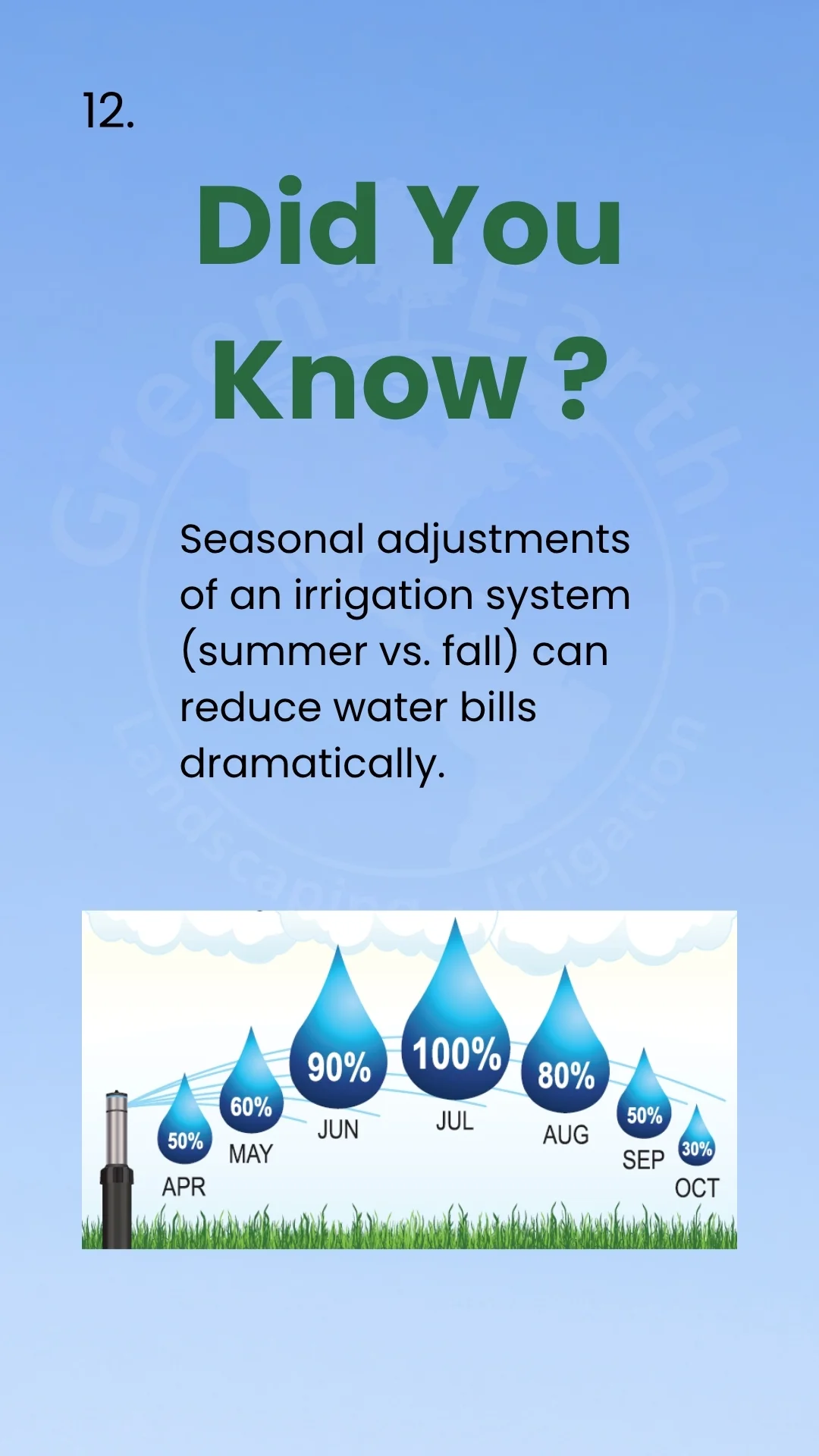
Zone Review: Check your watering run times. Spring in the Mid-South is often rainy, so your April schedule should look very different from your July schedule.
Safety Check: Ensure the "Seasonal Adjust" feature is set correctly to avoid overwatering during the cooler spring weeks.
Step 3: Replace the Backup Battery
Most modern controllers in Rossville and Piperton use a small battery to maintain programming during power outages. These batteries typically have a life of one year.
The Pro Tip: We recommend replacing this battery every single spring. It is a $5 insurance policy against losing your entire custom watering schedule when a spring thunderstorm rolls through Shelby County.
Step 4: Clean the Spray Heads
Dirt, mulch, and grass clippings have a way of migrating into your sprinkler nozzles over the winter.
The Process: Manually lift the "pop-up" portion of the head and check the nozzle for grit. Even a tiny grain of sand can distort the spray pattern, leading to "brown spots" later in the season.
Precision: If the head is clogged, remove the nozzle and flush it with water. A clean nozzle ensures even distribution and prevents water waste.
Step 5: Clear Obstructions
Landscape beds in Germantown and Collierville grow rapidly in the spring. Often, shrubs or ornamental grasses have grown to the point where they block the spray of a nearby head.
Maintenance: Trim back any low-hanging branches or winter debris.
Efficiency: If a head is spraying directly into a boxwood instead of the lawn, you are wasting water and potentially encouraging fungal diseases like Boxwood Blight.
Step 6: Check for Broken Heads
This is where the "geysers" come from. Plastic sprinkler heads can be shattered by lawnmowers, edgers, or even the expansion of freezing water.
Inspection: While the system is running, look for heads that aren't popping up fully or heads that are geysering water into the air.
Authority Note: Replacing a head might seem simple, but ensuring the replacement head matches the "precip rate" of the rest of the zone is critical. Mixing brands or flow rates will result in uneven watering.
Step 7: Inspect the Valves
The valves are the heart of your system, usually located in underground boxes.
Listening Test: Open the valve box and listen. You should not hear any running water when the system is off.
Visual Check: If the valve box is filled with water, you likely have a weeping valve or a cracked manifold. These are the "hidden" water thieves that we specialize in repairing for our premium clients.
Step 8: Search for "Hidden" Leaks
Not every leak is obvious. In the heavy silt/clay of Millington or Arlington, water can travel long distances underground before reaching the surface.
Signs to Look For: Patches of grass that are significantly greener than the rest, or "squishy" spots in the lawn that never dry out.
The Meter Test: Turn off all water in the house and check your water meter. If the low-flow indicator is spinning, you have a leak. Our advanced leak detection technology can pinpoint these issues without digging up your entire yard.
Step 9: Test the Rain Sensor
Memphis springs are famous for heavy rainfall. If your system is running while it's pouring outside, you aren't just wasting water—you're damaging your lawn's root health.
Manual Test: Most rain sensors have a "test" spindle. Press it down while the system is running; the system should shut off immediately.
Upgrade: If you don't have a functioning rain sensor, it is the number one upgrade we recommend for irrigation efficiency in the Mid-South.
Step 10: Inspect the Backflow Preventer
This is the most critical mechanical component of your system. It prevents irrigation water (which may contain fertilizer or pesticides) from flowing back into your home’s drinking water.
Damage Check: Look at the brass assembly (usually located near the house or meter). Check for "weeping" water or hairline cracks in the brass body.
Compliance: Many municipalities in Shelby County and North Mississippi require annual backflow testing. As licensed professionals, we ensure your system is not only working but is also legally compliant.
Step 11: Refill the System SLOWLY
This is the most important technical step. After the system has been drained for winter, the pipes are full of air. If you flip the main ball valve open quickly, a surge of water will rush into the empty pipes, slamming into the air pockets. This is called "Water Hammer."
The Danger: Water hammer can generate pressure surges up to ten times the normal operating pressure, literally shattering PVC joints and blowing heads off their risers.
The Expert Way: Slowly crack the main valve, allowing water to bleed into the system over several minutes. You should hear the air hissing out of the heads as the pipes fill gently.
Step 12: Verify Pressure Levels
Once the system is fully pressurized, we check the PSI at the head.
Why it Matters: If the pressure is too high, the water "mists," and the wind blows it away before it hits the grass. If it's too low, the heads won't pop up or reach their intended targets.
Adjustment: We use professional pressure gauges to ensure your system is operating in the "sweet spot" for maximum efficiency and minimum waste.
Beyond the Basics: The Value of a Professional Start-Up
While many homeowners attempt a DIY start-up, there is a reason we are considered the best in the city. Our "concierge" start-up service doesn't just turn on the water; we perform a comprehensive System Health Audit. We look for the subtle signs of wear and tear that lead to mid-summer failures. By catching a weeping valve in Eads or a misaligned head in Piperton now, we save you the emergency call-out fee during the 95-degree heat of July.
Frequently Asked Questions (FAQ)
Q: When is the best time to turn on sprinklers in Memphis?
A: Generally, late March to mid-April is the ideal window for the Mid-South. You want to wait until the threat of a deep ground freeze has passed, but before the spring growth cycle begins in earnest.
Q: What is "Water Hammer" in an irrigation system?
A: Water hammer is a high-pressure surge that occurs when water is sent through empty pipes too quickly. It can cause pipes to burst and valves to fail. It is prevented by opening the main water source very slowly.
Q: Why is my backflow preventer leaking water after the winter?
A: This is often a sign of freeze damage. If even a small amount of water was trapped in the brass assembly during a freeze, it could have cracked the internal poppet or the brass body itself. This requires immediate professional repair to protect your home's water supply.
Q: How often should I replace my sprinkler controller battery?
A: We recommend replacing the 9V or lithium backup battery once a year during your spring start-up to ensure your settings are saved during power outages.
Q: Why are some of my sprinkler heads "misting" instead of spraying?
A: Misting is usually caused by excessively high water pressure. This causes water to evaporate before it reaches the ground. We can install pressure-regulated heads or valves to solve this and reduce your water bill.
Schedule Your Professional Spring Tune-Up Today
Don't leave your lawn’s health to chance. Our team of experts is currently booking spring start-ups across Shelby County and North Mississippi. Whether you are in Germantown, Collierville, Bartlett, or Rossville, we provide the technical excellence your landscape deserves.
Experience the difference that 15 years of local expertise makes. Call us today to book your professional irrigation start-up and ensure your system is the most efficient on the block.