Achieving a beautiful, thriving landscape in the dynamic climate of Memphis requires more than just sunshine and good soil—it demands a smart, strategic approach to watering. An automated irrigation system is an essential investment in your property’s health, but simply setting the timer and walking away won't lead to peak performance or water conservation.
At Green Earth, we understand that the key to a lush, water-wise yard is proactive maintenance and seasonal optimization. This comprehensive checklist is designed to help you monitor your system throughout the year, ensuring every drop counts and your landscape remains vibrant.
Phase I: The Spring Startup and Calibration
As the threat of frost passes and your yard wakes up from its winter slumber, your irrigation system needs a gentle but thorough revival. The spring startup is the most critical time to check for damage that may have occurred over the colder months and to calibrate the system for the upcoming growing season. Neglecting this step can lead to wasted water and uneven turf growth right from the start.
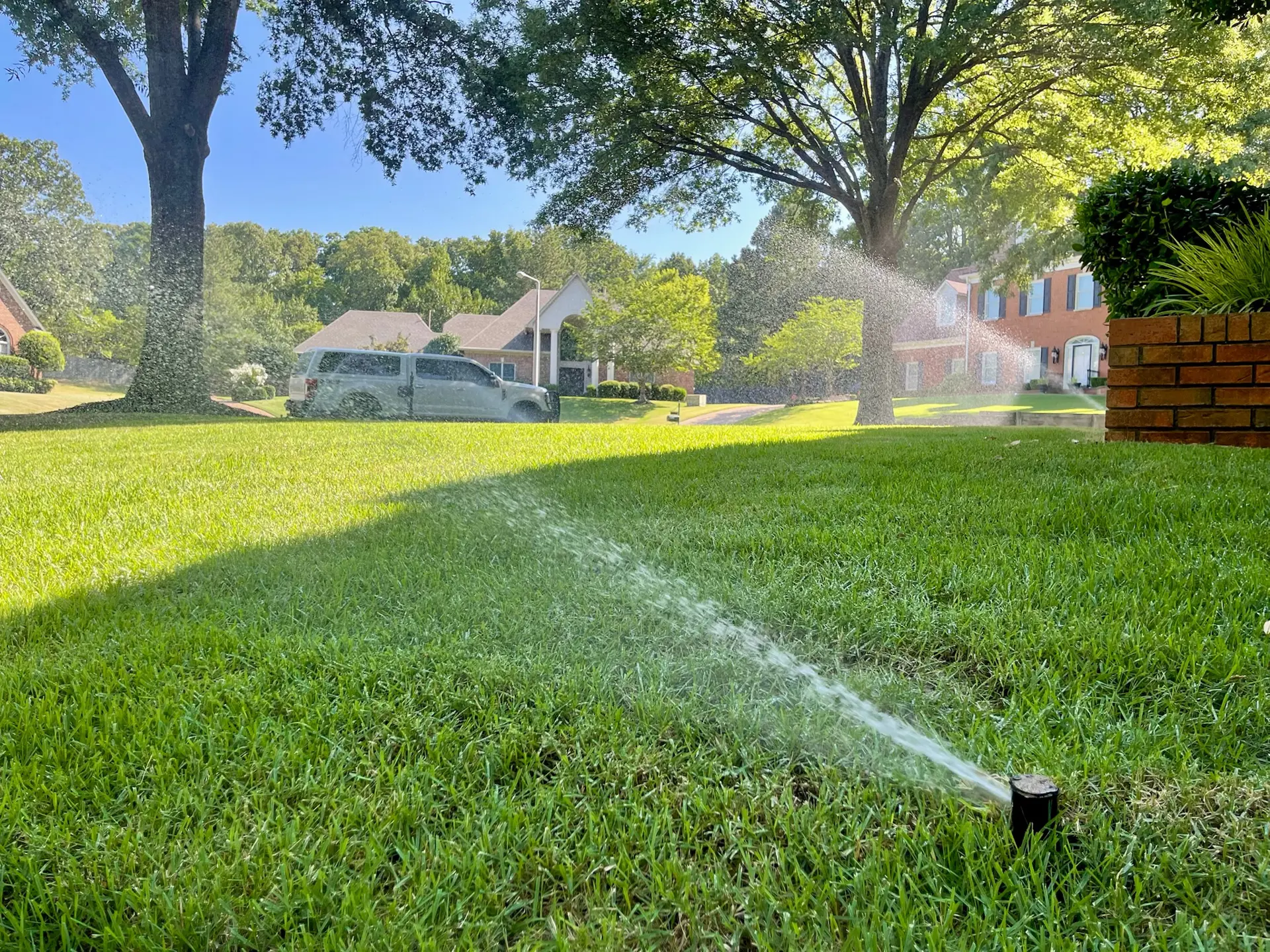
Begin by slowly opening the main water supply and checking the backflow prevention device for any leaks. Next, manually run each zone, observing the performance of every sprinkler head. Are any broken, leaking at the base, or spraying onto the sidewalk or house? Misaligned heads are one of the biggest sources of water waste, so adjust their trajectory and spray arc to cover only the intended landscape areas.
Finally, check your controller. Clear out old seasonal programming and input a new schedule based on current soil conditions and plant needs. Remember, early spring watering should be minimal compared to the intense demands of July.
Phase II: Mid-Season Monitoring for Peak Efficiency
The Memphis summer can be relentless, but once your system is running, the work isn't over. A truly efficient system requires mid-season monitoring to adjust for temperature spikes, rainfall, and plant maturation. You should never "set it and forget it," especially when trying to maintain a water-wise landscape.
Walk your property weekly, paying close attention to spots that look overly dry or overly saturated. If you spot puddling, you may have a hidden leak or simply need to reduce the duration of that specific zone. This is also the time to test your rain sensor—a crucial component of any smart irrigation setup. If the sensor is working, your system should automatically skip a watering cycle after significant rainfall. Crucially, focus on deep, infrequent watering. Instead of watering for 10 minutes every day, train your lawn to develop deep roots by watering for longer periods every two to three days. This simple adjustment improves turf resilience and conserves a substantial amount of water.
Phase III: Preparing Your System for Winterization
Protecting your investment from the freeze-thaw cycles of a Mid-South winter is just as important as keeping it running in the summer. Water left in the pipes, valves, and sprinkler heads can freeze and expand, causing costly cracks and damage that won't be apparent until the next spring startup.
As temperatures cool in late fall, you should first gradually decrease your watering schedule, preparing your landscape for dormancy. Next, turn off the controller and shut off the main water line to the system. The final and most essential step is the professional winterization, or "blowout." This process uses an air compressor to force all remaining water out of the system's entire network of pipes. While some may attempt this DIY, the precise air pressure required to safely and effectively clear the system without damaging the components demands expert equipment and knowledge.
Don't risk a spring surprise; contact Green Earth at (901) 657-3614 to schedule your winterization and ensure your system is protected. Consistency in care is the key to maintaining a beautiful, sustainable landscape for years to come.